Free shipping on orders above ₹2,999 · FSSAI certified · Ships from Srinagar in 24 hrs

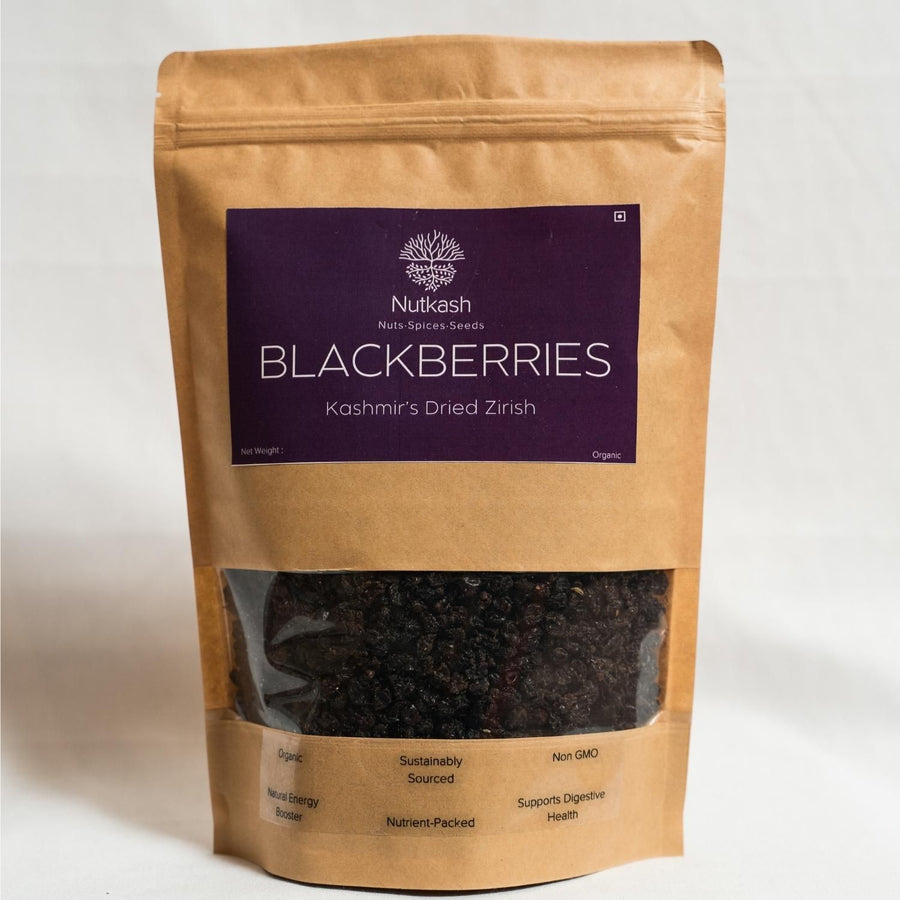
Dried Zirish — Kashmiri Wild Berries | 250g
KASHMIR · WILD-HARVESTED
KASHMIRI BARBERRY (ZIRISH)

Dried Zirish — Kashmiri Wild Berries | 250g

Dried Kashmiri Barberries · Sun-Dried

Berberine
The active compound
8–12 wks
For noticeable effect

The souring berry in Kashmiri pulao. Contains berberine — studied for blood sugar management.

Kashmiri barberry (zirish) is one of the most overlooked wellness ingredients from the region. Most barberry sold online in India is Iranian barberry — a different variety. Kashmiri zirish has a more intense tartness and darker colour. Berberine is the active compound in these berries. A 2008 study published in a medical journal found berberine (at supplement doses) worked similarly to metformin — a common diabetes medicine — for managing blood sugar over 3 months. Eating zirish as a food contributes berberine to your diet at food levels, not supplement levels. It's not a replacement for medication. Test the quality yourself: real Kashmiri zirish should be deep ruby-red and make your jaw clench at first bite. Flat taste or pale colour means old stock or the wrong variety.

Rs. 350.00Rs. 400.00 Save 12%
Size: 250 g
1
Kashmir · Wild-Harvested Sun-Dried No Preservatives
Dried Zirish — Kashmiri Wild Berries | 250g
Rs. 350.00
BLOOD SUGAR
Blood sugar balance
Small handful · after a heavy meal

Berberine in barberries slows how fast glucose enters your blood — similar mechanism to metformin. A handful after lunch or dinner. Takes 8–12 weeks to see measurable change.

CHOLESTEROL
Lower cholesterol
Daily snack · 8–12 weeks

Studies show 20–25% drop in bad cholesterol (LDL) with consistent berberine intake. Eat as a daily snack — the sour taste means a small amount is satisfying.

GUT HEALTH
Gut health
Snack · or brew as tea · or add to rice

Berberine targets bad gut bacteria while leaving good bacteria intact. Eat as a snack, brew as a tea, or add to Kashmiri pulao the traditional way.

DIGESTION
Digestive relief
Handful · after a heavy meal

Zirish has been used as a digestive tonic in Kashmiri and Mughal cuisine for centuries — scattered over pulao and lamb precisely because the sourness and berberine together settle the stomach after rich food. Still the most effective way to use it: eat a small handful after a heavy meal.

What it does

What it does

Berberine — studied for blood sugar management

  • Berberine activates the same switch in your body that exercise and fasting do. Your cells get better at using sugar for energy instead of storing it as fat.
  • Berberine is the active compound in these berries. A 2008 study found berberine (at supplement doses) worked similarly to metformin — a common diabetes medicine — for managing blood sugar over 3 months.
  • Eating zirish as a food contributes berberine at food levels, not supplement levels. It's not a replacement for medication.
🌅
Morning, empty stomach
1 tsp in warm water
Steep 5 minutes. Drink the water, eat the berries.

Berberine and bad cholesterol — what the studies found

  • Berberine affects how the liver processes cholesterol.
  • Studies using concentrated berberine supplements showed 20–25% drops in bad cholesterol. Eating zirish as a food is a natural way to include berberine in your diet.
  • Zirish has been part of Kashmiri daily eating for centuries — not just as a flavour ingredient.
📅
Daily
90-day minimum
Effects build up — check your blood test at month 3

Traditional digestive tonic in Kashmiri cooking

  • Zirish has been used as a digestive tonic in Kashmiri cooking for centuries.
  • It's naturally tart and acts as a gentle digestive aid when eaten regularly.
  • A small amount in food or morning water — consistency matters more than quantity.
🌿
Daily in food or water
1 tsp as needed
In food or morning water — keep it consistent

Berberine — studied for blood sugar management

  • Berberine activates the same switch in your body that exercise and fasting do. Your cells get better at using sugar for energy instead of storing it as fat.
  • Berberine is the active compound in these berries. A 2008 study found berberine (at supplement doses) worked similarly to metformin — a common diabetes medicine — for managing blood sugar over 3 months.
  • Eating zirish as a food contributes berberine at food levels, not supplement levels. It's not a replacement for medication.
🌅
Morning, empty stomach
1 tsp in warm water
Steep 5 minutes. Drink the water, eat the berries.

Berberine and bad cholesterol — what the studies found

  • Berberine affects how the liver processes cholesterol.
  • Studies using concentrated berberine supplements showed 20–25% drops in bad cholesterol. Eating zirish as a food is a natural way to include berberine in your diet.
  • Zirish has been part of Kashmiri daily eating for centuries — not just as a flavour ingredient.
📅
Daily
90-day minimum
Effects build up — check your blood test at month 3

Traditional digestive tonic in Kashmiri cooking

  • Zirish has been used as a digestive tonic in Kashmiri cooking for centuries.
  • It's naturally tart and acts as a gentle digestive aid when eaten regularly.
  • A small amount in food or morning water — consistency matters more than quantity.
🌿
Daily in food or water
1 tsp as needed
In food or morning water — keep it consistent
Day 1
The tartness confirms freshness

Real Kashmiri zirish makes your jaw clench. That sharp, jaw-clenching tartness is a sign of freshness and high organic acid content — exactly what you want. Flat-tasting zirish is old stock or the Iranian variety.

Week 2
Blood sugar after meals may start to stabilise

Berberine starts slowing how fast sugar from food enters your blood. Blood sugar spikes after meals may become smaller and more gradual.

Month 3
Cholesterol panel may respond

Bad cholesterol reduction is measurable after 90 days of consistent use in studies. This is the same timeline as the clinical research — results take time.

Effects build up over 8–12 weeks of daily use
Be honest with yourself

Is this for you?

Zirish is for you if
You want to manage blood sugar or reduce post-meal spikes through diet
You want to work on bad cholesterol naturally over time
You cook Kashmiri food and want the authentic souring ingredient
You want a daily wellness habit that also works in the kitchen
This is not for you if
You're on diabetes medication — talk to your doctor first, berberine can be strong in combination
You're on blood thinners — check with your doctor
You want immediate results — effects build up over 8–12 weeks
On diabetes or blood pressure medication
How to use

How to use it

Step 01

Taste: sharply tart — like cranberry with a bitter finish. This is normal; the sourness is from the berberine and organic acids. Not sweet. If you expect sweetness you'll be surprised. Steep 1 teaspoon in warm water for 5 minutes. Drink the water and eat the berries. Best on an empty stomach.

Step 02

Scatter over rice after the dum is done. Cover 2–3 minutes on lowest heat. Never add to boiling rice.

Step 03

Scatter over raita, yoghurt, or salad. No cooking needed. This keeps the berberine fully intact.

Important if you're on medication

Berberine has a real blood sugar-lowering effect. If you're on diabetes medication or blood thinners, speak to your doctor before using zirish regularly. The combined effect can be strong.

Verified buyers

What customers say

✓ Verified

First time trying barberry. Taste is sour and slightly sweet together. Very interesting ingredient. Very fresh quality. Will reorder. 😊

Leena S.
✓ Verified

Used in pulao and the colour and taste changed completely. This is the real ingredient behind restaurant rice dishes. Loved it.

Farhan M.
✓ Verified

Small berries but very potent. I use it in raita and rice. Quality seems fresh and genuine. Good product overall.

Geeta P.
✓ Verified

Slightly tart and very flavourful. Exactly as described. Good quality and quick delivery. Will use in cooking regularly.

Anand R.
Complete the ritual

The zirish morning tonicDried Zirish — Kashmiri Wild Berries | 250g ritual

Steep. Drink. Eat the berries. The traditional way to take zirish for blood sugar and gut health — 1 teaspoon daily, on an empty stomach. The souring ingredient in your kitchen doubles as your wellness routine.

Dried Zirish — Kashmiri Wild Berries | 250g
This product
Dried Zirish — Kashmiri Wild Berries | 250g
Rs. 350.00
1
Himalayan Garlic — Single Clove | Kashmir
Garlic-zirish chutney — the Kashmiri winter immunity staple
Himalayan Garlic — Single Clove | Kashmir
Rs. 850.00
0
Walnut Kernels — Kashmir | Without Shell | 500g
Trail mix: zirish + walnuts — antioxidants + omega-3 in one handful
Walnut Kernels — Kashmir | Without Shell | 500g
Rs. 950.00
0
Questions

Common questions

Related plant, different variety. Most barberry sold online in India is Iranian barberry — a different variety. Kashmiri zirish has a more intense tartness and darker colour. Real Kashmiri zirish should make your jaw clench from the tartness.
Talk to your doctor first. Berberine has a genuine blood sugar-lowering effect. Combined with diabetes medication, the effect can be too strong. Your doctor may want to adjust your medication if you're adding regular berberine to your diet.
1 teaspoon (about 5g) daily is the usual amount for wellness use. In cooking, use to taste. Consistency over weeks is what matters — daily use is more important than the exact amount.
High heat for a long time does reduce berberine. In Zirish Pulao, add it after the dum (steam) is done and leave covered for 2–3 minutes on the lowest heat. This keeps most of the goodness. Adding to boiling rice is not ideal.
Airtight container, cool dry place, away from light. Fresh Kashmiri zirish should be deep ruby-red to dark crimson. Pale pink or orange colour means it's old or the wrong variety.
Berberine is the main active compound in barberry and one of the most studied plant compounds for metabolic health. Research has found berberine supports blood sugar regulation, healthy cholesterol levels, and gut microbiome balance. The clinical studies used supplemental berberine at 500–1500mg/day — you won't get that dose from a teaspoon of zirish in cooking. But regular culinary use adds up over time, and traditional use across South Asia and the Middle East supports daily consumption for these same reasons.