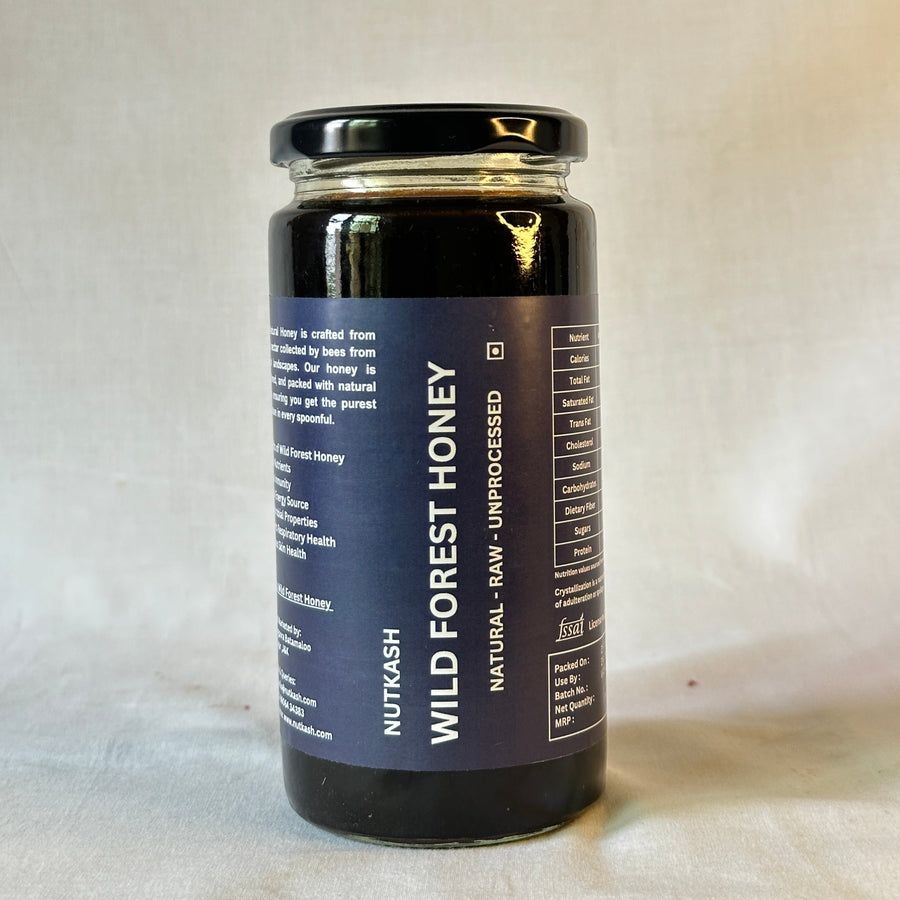
Wild Forest Honey — Kashmir | Raw | 500g
Wild Forest Honey — No Apiculture · Unfiltered
5.0 · 2 verified reviewsNo managed hives. No beekeeper involvement. Wild bees, wild hives, Kashmir forests.
Wild honey comes from bees no one manages — natural cavities in trees and cliff faces in Kashmir's forest belt, collecting from whatever is flowering. No two batches are the same colour or plant mix. The pollen you see floating in the jar is not a defect — it is proof it has never been filtered.
50+ wild plant sources per batch means 50+ types of pollen and plant compounds — a diversity no single-flower honey can match. No two batches are identical.
Local raw honey has been used for seasonal wellness in Kashmir for generations. Wild honey captures local pollen from the entire forest belt in every batch.
Natural glucose for immediate energy, natural fructose for sustained release — 1 tsp 20 minutes before training or a long day.
Commercial honey filters out propolis and pollen — wild honey doesn't. The dark particles in the jar are naturally occurring parts of unfiltered honey, not impurities.
Why it works
More plant sources than any honey in our range.
- Wild honey draws from dozens of plant species — each with its own natural compounds. This variety is what makes it different from single-flower honey.
- Your body gets a wider range of nutrients in every spoon. No managed or monofloral honey can replicate this.
- The unfiltered honey also retains propolis — a resin-based substance bees collect from trees that has natural antibacterial properties.
50+ wild plants per batch — each one contributes compounds no single-source honey carries.
- Wild honey contains natural compounds from many different plants. Together, they help reduce swelling and soreness in the body.
- Many people use local raw honey for seasonal allergies based on traditional practice. The idea is that local pollen in the honey helps build tolerance. This hasn't been proven in clinical trials — but it's a widely held reason people seek out local raw honey.
- Eating raw honey regularly is linked to better overall wellness in traditional use across cultures.
Feeds good bacteria and fights bad ones
- Raw honey contains natural fibres that feed the good bacteria in your gut. Unfiltered honey keeps these intact.
- At the same time, raw honey produces hydrogen peroxide naturally — this fights harmful gut bacteria.
- One food, two actions — feeds good bacteria and fights bad ones simultaneously.
More plant sources than any honey in our range.
- Wild honey draws from dozens of plant species — each with its own natural compounds. This variety is what makes it different from single-flower honey.
- Your body gets a wider range of nutrients in every spoon. No managed or monofloral honey can replicate this.
- The unfiltered honey also retains propolis — a resin-based substance bees collect from trees that has natural antibacterial properties.
50+ wild plants per batch — each one contributes compounds no single-source honey carries.
- Wild honey contains natural compounds from many different plants. Together, they help reduce swelling and soreness in the body.
- Many people use local raw honey for seasonal allergies based on traditional practice. The idea is that local pollen in the honey helps build tolerance. This hasn't been proven in clinical trials — but it's a widely held reason people seek out local raw honey.
- Eating raw honey regularly is linked to better overall wellness in traditional use across cultures.
Feeds good bacteria and fights bad ones
- Raw honey contains natural fibres that feed the good bacteria in your gut. Unfiltered honey keeps these intact.
- At the same time, raw honey produces hydrogen peroxide naturally — this fights harmful gut bacteria.
- One food, two actions — feeds good bacteria and fights bad ones simultaneously.
Wild honey smells different to regular honey — floral, layered, slightly earthy. The flavour reflects every plant the bees visited. No two batches are identical and you'll notice it.
Multi-floral pollen and diverse plant compounds support a healthy gut microbiome. Potential digestive benefits depend on regular consumption as part of an overall healthy diet.
The diverse enzyme and antioxidant profile of wild honey is cumulative. Daily 1 tsp in warm water — effects on immunity compound over months, not days.
Is this for you?
How to use it
For best results, use water that is warm but not boiling — high temperatures may reduce naturally occurring enzymes. Keep it warm, not hot.
The fine pollen and propolis particles in unfiltered honey are not impurities. They are the most nutritionally rich part of the jar.
Colour, flavour, and texture will vary by season and forest composition. This is not inconsistency — it is the honest character of wild-foraged honey. Not for you if you want consistent colour and texture.
Wild forest honey is darker than regular honey — deep amber to near-black in strong batches. Taste varies by season: forest floor, dried fruit, bark, bitter herbs. It is not sweet like commercial honey. Texture is thicker and slower to pour. You may see dark particles — these are pollen and propolis, not impurities. Batch variation in colour and flavour is normal and intentional.
What customers say
Common questions
Browse the full range
View all →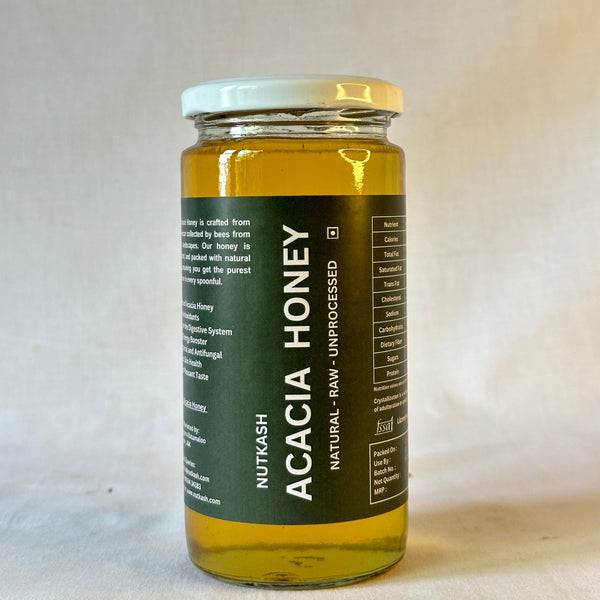
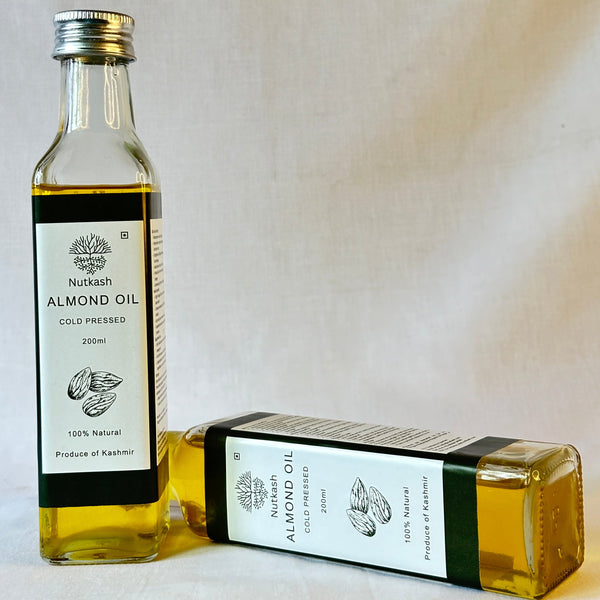
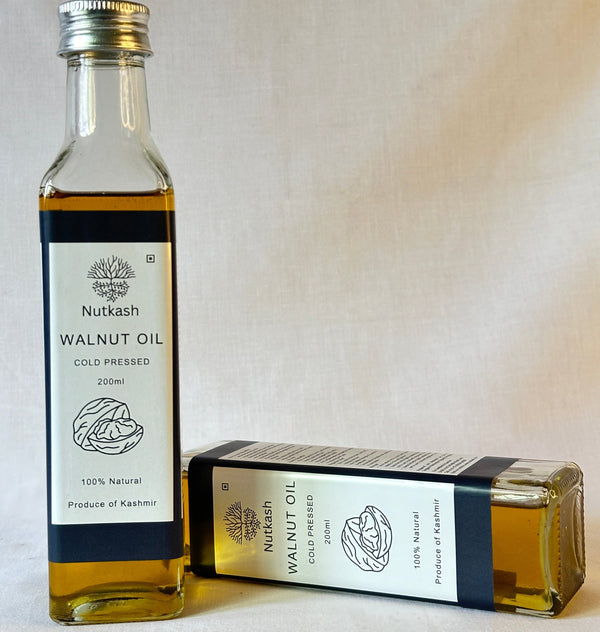
 -31%
-31%
 -15%
-15%
 -10%
-10%
 -22%
-22%
 -25%
-25%
 -14%
-14%
 -6%
-6%
 -25%
-22%
-25%
-22%
 -31%
-14%
-31%
-14%
 -14%
-14%